October 26, 2026
Water damage is a common and costly issue for homeowners. By understanding the significance of regular home maintenance, one can effectively mitigate the risk of water damage. Regular upkeep is not merely an option but a necessity in the prevention of costly repairs and health hazards. With the growing concerns regarding both financial and health impacts, homeowners must stay proactive in their home maintenance routines to ensure a safe living environment.
Understanding the Causes of Water Damage
Natural Elements
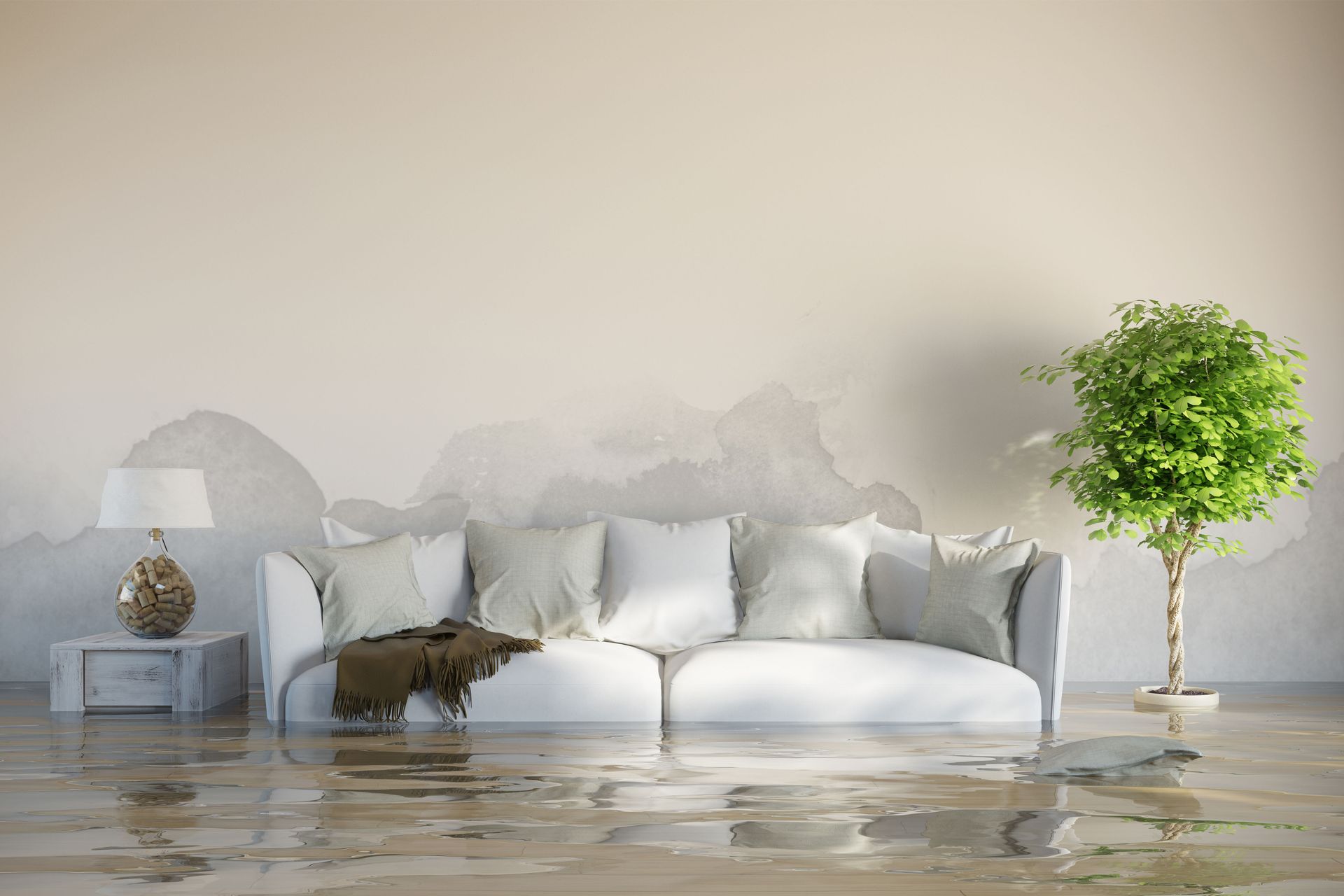
The natural world can be an unpredictable adversary for homeowners. Heavy rains and melting snow can lead to floods that infiltrate poorly sealed homes, resulting in substantial damage. In coastal or low-lying areas, hurricanes and typhoons pose significant threats, bringing torrential rainfall and storm surges that overwhelm drainage systems. Combined with rising sea levels, the risk of water damage from natural elements continues to increase. Understanding these natural threats and preparing for them with effective home maintenance can mitigate potential damage.
Plumbing Failures
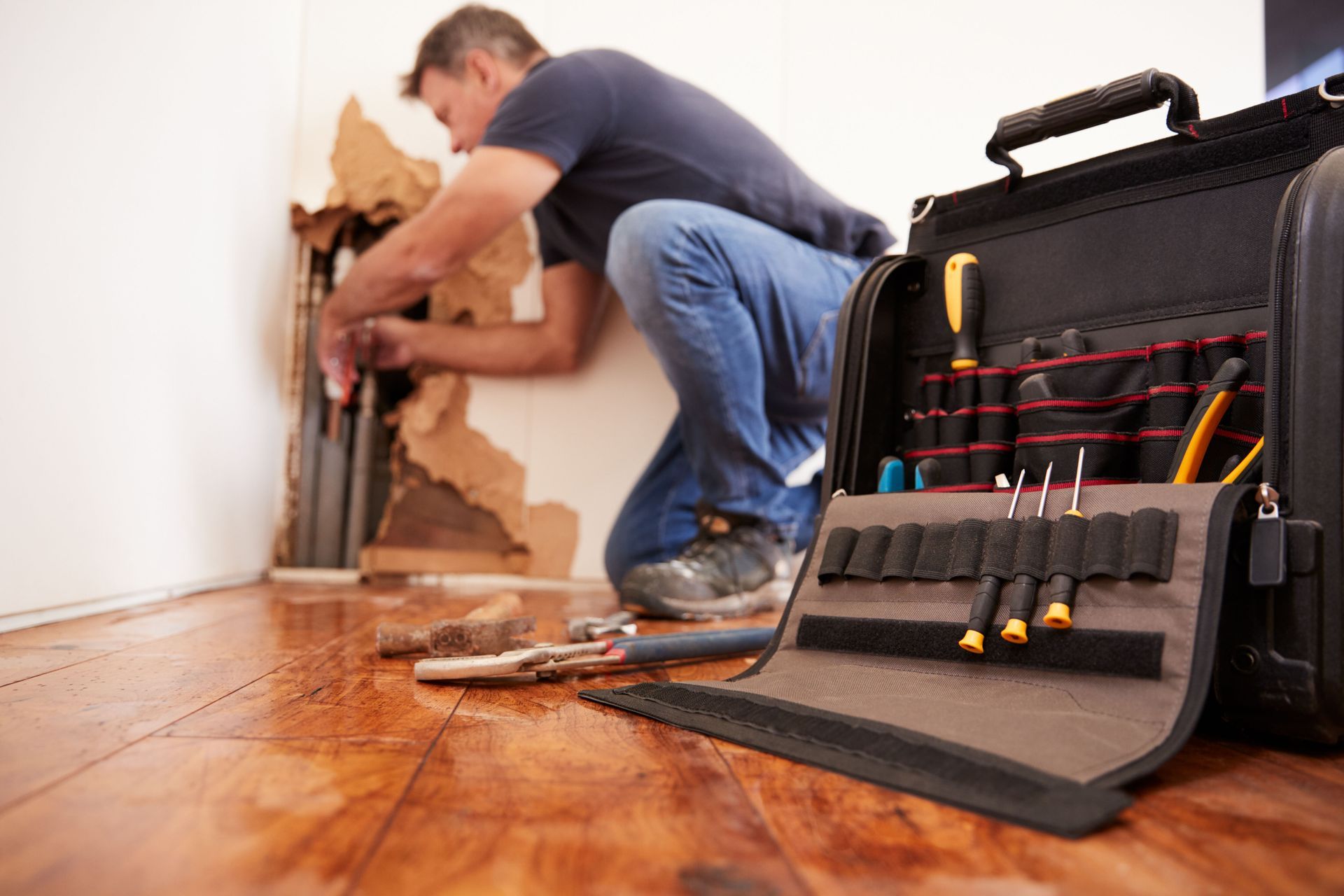
Plumbing systems are the circulatory systems of a home, and like any system, they are prone to failure. Burst pipes or leaking faucets may start small but, if left unchecked, can lead to significant water damage. Over time, pipes may corrode or become blocked, causing water to back up and overflow. When severe pipe failures occur, reputable water restoration companies are typically required to extract standing water and dry concealed cavities before structural decay sets in. Regular inspection and maintenance to spot potential issues before they turn into emergencies remain crucial.
Poor Insulation
Poor insulation in a home can lead to considerable water damage over time. When insulation fails, it allows moisture to penetrate walls and ceilings, leading to mold growth and structural degradation. This is especially concerning in colder climates, where condensation forms on surfaces, contributing to a continuous moisture problem. Upgrading insulation can prevent these issues, protecting both the home's structure and the health of its occupants. Proper insulation is thus a critical component of a comprehensive water damage prevention strategy.
Roof Leaks
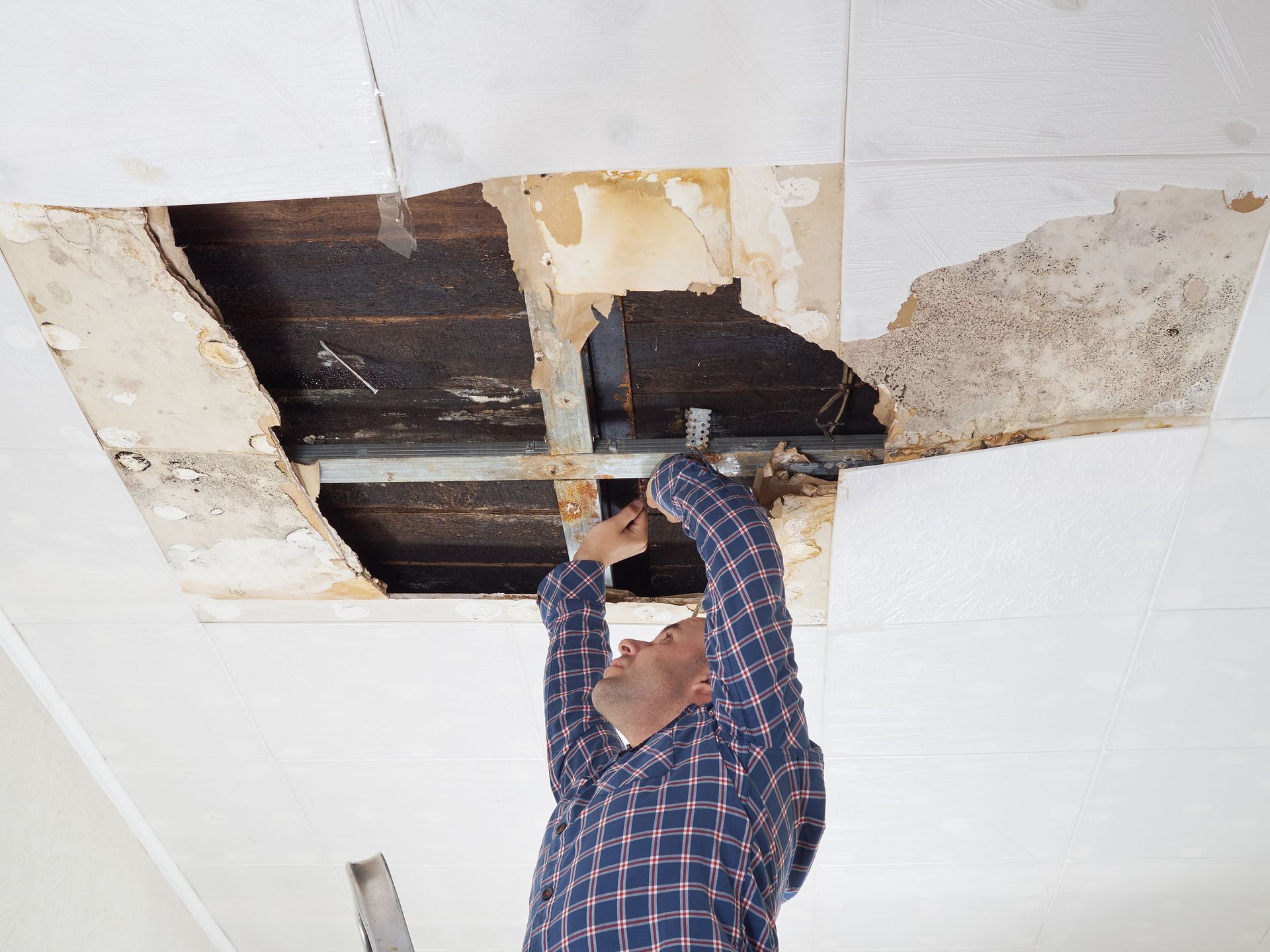
Roofs are the first line of defense against precipitation, yet they are often overlooked in maintenance routines. Roof leaks frequently occur due to missing shingles, damaged flashing, or age-related wear and tear. These openings allow rainwater to seep into the home, causing damage to interior ceilings, walls, and insulation. Regular inspections can prevent small issues from developing into expensive repairs. Ensuring a roof's integrity is paramount in safeguarding a home from water damage.
Basement and Foundation Issues
Basements and foundations are particularly susceptible to water intrusion, which can cause significant damage if not addressed. Cracks in foundation walls, poor drainage, or high groundwater levels can lead to water buildup and structural weakening. Without proper waterproofing and maintenance, water can infiltrate these areas, frequently prompting homeowners to call professional water restoration companies to manage structural dehumidification and mold prevention. Regular inspections and swift attention to any signs of water ingress are vital to maintaining the integrity of a home's foundation.
The Financial Impact of Water Damage
Repair Costs
The financial burden of water damage repair can be significant and often grows exponentially if not addressed promptly. Water damage can lead to costly repairs involving not just the reconstruction of walls, roofs, or floors but also the replacement of damaged personal property. Emergency remediation provided by certified water restoration companies carries high costs, underscoring why proactive maintenance is essential to avoid major restoration bills. For many homeowners, these unexpected expenses can be financially devastating, whereas consistent upkeep prevents minor leaks from escalating into catastrophic losses.
Increased Insurance Premiums
Water damage claims can lead to increased homeowner insurance premiums. As insurance companies view claims as a risk indicator, repeated claims for water damage can signal a lack of proper maintenance or a chronic issue. Substantial remediation invoices submitted by water restoration companies often prompt insurers to reassess policy risk, costing homeowners more in the long term. Maintaining a home properly reduces the likelihood of needing to file water damage claims, thereby keeping insurance costs down and preserving affordable coverage.
Value Depreciation of Property
Water damage not only costs money in repairs but also depreciates property value. Serious water intrusion can compromise the structural integrity of a home, making it less attractive to potential buyers. While reputable water restoration companies can provide documentation showing that affected areas were professionally dried and treated, a recorded history of severe moisture problems can still make buyers hesitant during inspections. Protecting the market value of a home requires constant vigilance and proactive maintenance before moisture damages structural framing.
Loss of Personal Property
Individual items such as furniture, electronics, and clothing can be damaged or destroyed by water, leading to significant personal losses. Sentimental items that are irreplaceable, such as family photographs or heirlooms, are particularly vulnerable. Although leading water restoration companies utilize advanced drying and document recovery techniques to salvage affected belongings, porous goods often suffer irreversible degradation. Regular maintenance and proactive measures ensure that homes are well-protected against the sudden water intrusions that lead to the tragic loss of treasured personal possessions.
Long-term Health Implications from Mold
Water damage frequently leads to mold growth, which presents significant health risks for homeowners. Mold can cause respiratory issues, allergic reactions, and other serious health conditions. According to RubyHome, water damage affects around 14,000 Americans per day, highlighting the extent of the issue. When moisture triggers widespread fungal colonization behind walls or under flooring, specialized water restoration companies must be brought in to establish negative air containment and sanitize affected areas. Maintaining a dry, mold-free environment through regular maintenance safeguards the health of all household members.
Exterior Maintenance Practices
Roof Inspections and Repairs
The roof is often a home's first line of defense against severe weather elements. Regular inspections for damaged or missing shingles and potential areas for leaks can prevent more severe water damage. Catching flashing vulnerabilities and damaged shingles early prevents moisture from penetrating the attic, sparing homeowners from needing water restoration companies to remove saturated insulation and replace rotted roof decking. Timely repairs can extend a roof's lifespan, saving homeowners from significant repair costs and minimizing water penetration risks.
Gutter Cleaning and Maintenance
Gutters play a critical role in directing rainwater away from a home's foundation. When gutters become clogged with debris such as leaves or twigs, they overflow and allow water to pool around the house. This pooling can lead to basement leaks or foundation damage. Homeowners should clean gutters at least twice a year, ideally in spring and fall, and check for damage or misalignments. Proper gutter maintenance ensures that rainwater is effectively channeled away from the home, thus reducing the risk of water damage.
Siding and Wall Sealing
Maintaining exterior siding and sealing gaps in walls are essential defense mechanisms against water damage. Over time, siding can crack or warp, creating points of entry for water. Regular inspections and prompt repairs to damaged siding help maintain the integrity of the home's outer shell. Applying a waterproof sealant around vulnerable areas, such as windows and doors, further prevents water ingress. These practices create a robust barrier that shields the home from intrusive water, maintaining its structural health.
Landscaping to Direct Water Flow
Proper landscaping is a crucial component of water damage prevention. Sloping the land away from the home's foundation aids in directing water flow away, reducing basement flooding risks. Planting native vegetation can also absorb excess water, while rain gardens intercept runoff and provide aesthetic appeal. Installation of French drains helps divert water and prevent pooling around the foundation. Thoughtful landscape design integrates aesthetics with functional drainage solutions to protect the home against water damage.
Preventing water damage is a multifaceted approach that combines regular inspections and maintenance with smart technology solutions. By implementing these strategies, homeowners can protect their properties, save money, and ensure a safe living environment. Regular upkeep is the key to mitigating potential water damage risks. A well-maintained home not only avoids the pitfalls of water damage but also enjoys increased longevity and value. Commitment to thorough maintenance fosters safer, more comfortable living conditions, assured through readiness and informed action—contact Kozi Mitigation today to schedule your inspection and protect your home against costly water damage.