September 23, 2026
Water damage is one of the most sudden and destructive hazards a residential property owner can experience. Whether caused by a burst plumbing pipe, an overflowing appliance, a failing roof during a heavy storm, or a backed-up sewer line, moisture intrusion begins altering structural materials immediately upon contact. Because water flows along the path of least resistance, it rapidly migrates beneath baseboards, behind drywall cavities, into insulation, and deep into subflooring where surface inspection cannot detect it.
Understanding the precise timeline of water degradation helps property owners recognize why fast intervention is critical to preserving structural safety and indoor air quality. Delaying cleanup efforts by even a few hours allows minor surface dampness to evolve into extensive structural rot, electrical hazards, and widespread microbial contamination. Professional mitigation services utilize specialized moisture meters, commercial extraction pumps, and high-velocity drying equipment to arrest moisture migration before irreversible structural destruction takes hold.
The frequency of domestic moisture disasters highlights how essential prompt emergency response continues to be for property preservation nationwide. According to RubyHome, about one in 60 insured homes makes a claim for water or freezing damage each year. This statistic illustrates that water intrusion represents a constant physical threat to residential communities. Partnering with certified local water restoration companies gives homeowners immediate access to industrial drying technology, limiting internal property destruction and restoring safe living conditions.
Spreading Rapidly During Initial Hours
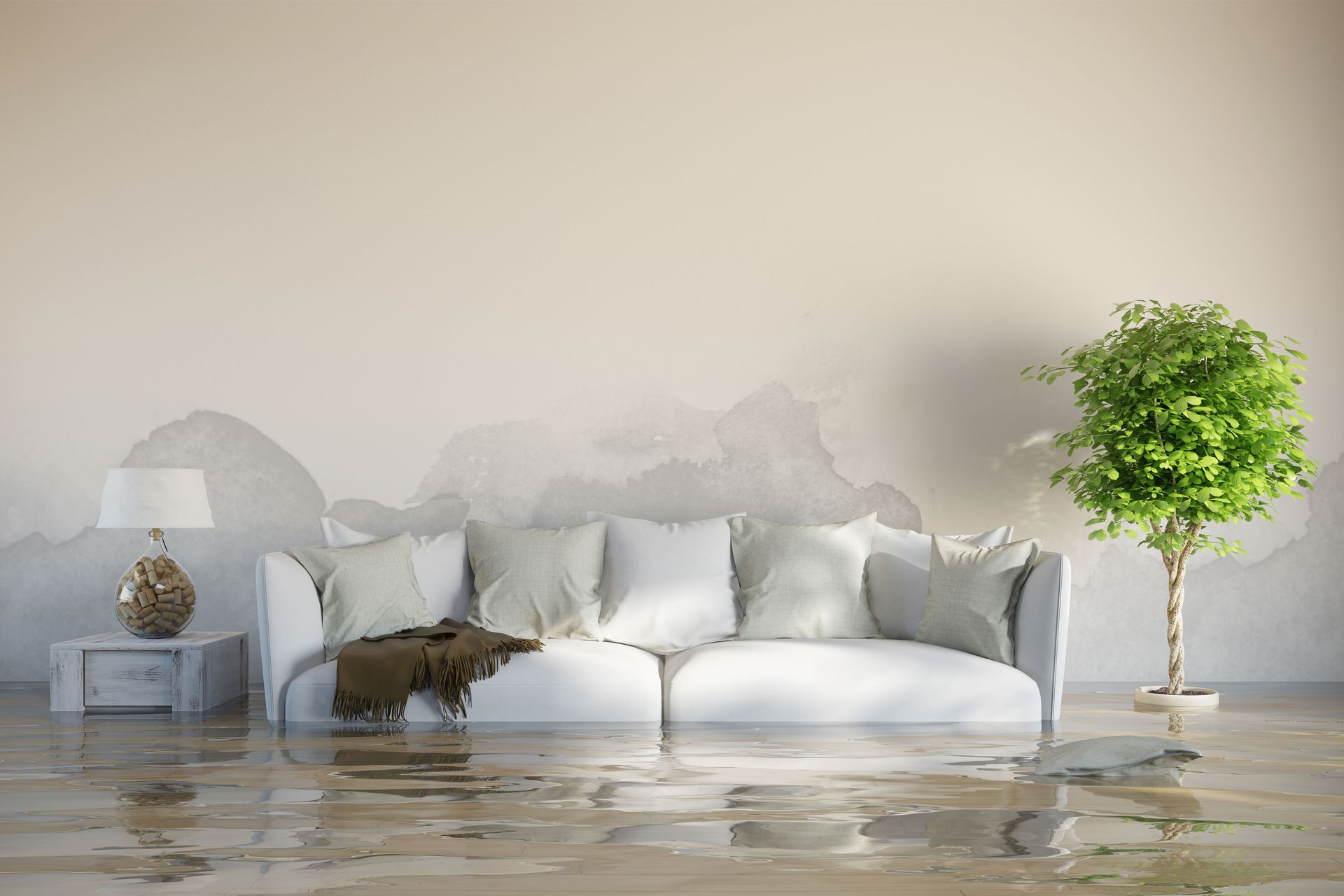
The immediate aftermath of a water intrusion event initiates rapid physical changes across porous building materials. Within minutes of exposure, water saturates carpet fibers, soaks into hardwood planking, and seeps through gypsum drywall paper. Unprotected wood furniture absorbs surrounding liquid, causing finishes to bleed, wood veneers to delaminate, and solid timber frames to swell along their grain lines.
As moisture spreads horizontally across floor planes and wicks vertically up interior walls, delicate wall coverings begin to buckle and peel away from drywall backings. Paper documents, cardboard storage boxes, and natural fiber textiles draw moisture rapidly, suffering permanent discoloration and structural breakdown. Furthermore, water pooling on upper floor levels trickles through subfloor joints, creating unsightly ceiling stains and electrical short circuits on lower levels.
Enlisting emergency help from local water restoration companies during these opening hours prevents deeper saturation into structural assemblies. Rapid extraction removes standing liquid before it saturates dense wall cavities or subfloor materials. Stopping moisture migration in its earliest stages reduces overall restoration scope and keeps structural components fully salvageable.
Germinating Fungal Spores Within Days
Microscopic mold spores exist naturally throughout indoor air and dust, remaining dormant until moisture creates favorable conditions for growth. When water saturates porous organic materials such as drywall paper, wood framing, carpet padding, and ceiling tiles, dormant spores activate quickly. Within a day or two of initial liquid exposure, active spore germination begins deep inside damp structural cavities.
As microscopic fungal hyphae branch out across wet surfaces, unpleasant musty odors begin to permeate nearby living areas. Mold colonies digest organic cellulose fibers, weakening the structural integrity of drywall panels and ceiling materials. Left unaddressed, surface discoloration turns into dark fuzzy patches that release millions of elevated fungal spores directly into indoor air streams, threatening respiratory health.
Deploying professional local water restoration companies stops fungal germination before colonies establish permanent footholds. Certified technicians apply EPA-registered antimicrobials, establish negative air pressure containment zones, and utilize industrial dehumidifiers to drop relative humidity below the threshold required for spore germination. Controlling environmental moisture preserves indoor air quality and protects household members from air quality hazards.
Warping Structural Materials After Days
Sustained moisture exposure causes severe physical distortion across solid wood building components, engineered flooring systems, and structural framing. Hardwood floorboards absorb water unevenly, leading to severe cupping where board edges lift above center lines, or crowning where centers swell upward. Plywood and oriented strand board subflooring expand, buckle, and separate into loose internal layers under prolonged saturation.
Inside wall structures, wet insulation loses its thermal resistance values and settles into dense, heavy wads at the base of wall cavities. Saturated drywall loses structural rigidity, crumbling under its own weight and pulling away from metal or wooden wall studs. Meanwhile, metal fasteners, door hinges, structural framing nails, and ductwork components exposed to high humidity begin to rust and corrode.
Specialized drying protocols executed by local water restoration companies reverse structural swelling and prevent permanent material warping. Technicians deploy targeted directional air movers and desiccant dehumidification systems that draw deeply embedded moisture out of dense structural timbers. Scientific moisture monitoring ensures that hidden framing materials reach safe equilibrium moisture content without requiring complete tear-out and reconstruction.
Rotting Framing Timbers Over Weeks
When water remains trapped within structural wall cavities or beneath subfloor assemblies for multiple weeks, structural decay accelerates dramatically. Wood-decaying fungi break down complex lignin and cellulose structures within load-bearing studs, floor joists, and structural sill plates. As wooden fibers decay, load-bearing framing loses structural strength, creating saggy floors, leaning wall lines, and compromised ceiling structures.
Prolonged moisture saturation also compromises concrete foundation slabs and masonry mortar joints through continuous hydrostatic pressure and chemical leaching. Saturated insulation inside wall cavities retains moisture indefinitely, providing a continuous water source that fuels deep wood rot behind finished surfaces. Rebuilding structurally rotted framing requires extensive structural shoring, aggressive demolition, and costly architectural reconstruction.
Engaging qualified local water restoration companies prevents long-term structural decay through comprehensive moisture mapping and controlled structural drying. Advanced thermal imaging cameras identify hidden pockets of moisture trapped behind plaster, stone, or ceramic tile surfaces without requiring destructive wall removal. Restoring correct structural dryness stops wood rot pathogens before they compromise load-bearing safety margins.
Compounding Secondary Environmental Hazards
Untreated water damage creates severe secondary environmental hazards that extend far beyond initial liquid contact zones. High relative humidity inside a saturated building causes secondary moisture condensation on cold surfaces throughout distant, unflooded rooms. Window glass, metal light fixtures, and exterior wall corners accumulate secondary condensation, spawning localized surface mold colonies far from the primary leak source.
Furthermore, water flowing through HVAC ductwork or central air handlers distributes microscopic mold spores, bacteria, and dust mite allergens to every room in the structure. Saturated electrical conduits and junction boxes foster severe corrosion, creating resistance heating, short circuits, and elevated electrical fire risks inside wet wall cavities. Pervasive musty odors saturate porous furniture, curtains, clothing, and wall insulation, rendering soft goods unsalvageable.
Comprehensive environmental controls established by local water restoration companies mitigate secondary damage risks completely. Certified specialists seal off affected zones, isolate HVAC ductwork, and operate commercial HEPA air scrubbers to continuously filter floating particulates from the indoor atmosphere. Regulating building atmospheric conditions stops secondary condensation and preserves unaffected interior living areas.
Restoring Property Value Safely
Addressing water damage requires far more than surface mopping and operating household room fans. Complete structural restoration demands a systematic, scientific approach that accounts for fluid dynamics, psychrometrics, structural engineering, and indoor microbiology. Neglecting comprehensive drying protocols leaves hidden moisture reservoirs intact, leading to recurring mold outbreaks, latent structural failures, and diminished real estate appraisal values.
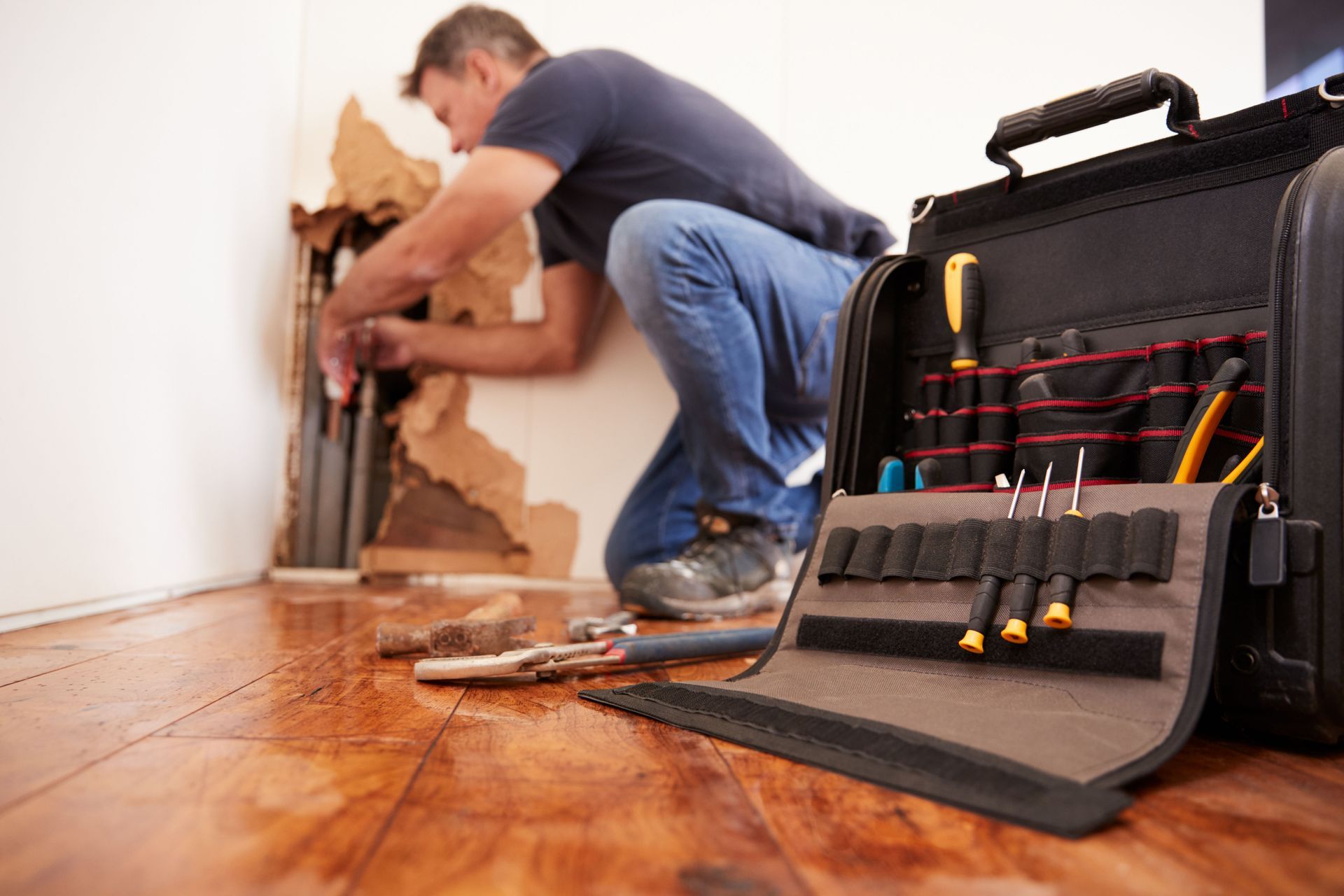
Professional restoration teams bring specialized equipment, rigorous safety protocols, and certified technical knowledge to every water loss event. Technicians perform thorough moisture inspections, execute controlled material removal, sanitize affected surfaces, and monitor atmospheric conditions daily until certified dry standards are achieved. Thorough documentation provided by certified restoration professionals also simplifies insurance claim processing and validates complete structural remediation.
When unexpected water intrusion threatens the safety, structural integrity, and value of your home, immediate professional intervention is essential. At Kozi Mitigation, we stand ready as your collective voice of protection, bringing rapid response, advanced industrial drying technology, and compassionate care to every restoration project. Contact our dedicated emergency response team today to restore your home safely, thoroughly, and completely.